A leaking line
Water or a damp stripe after rain or the spring melt.
Woveh
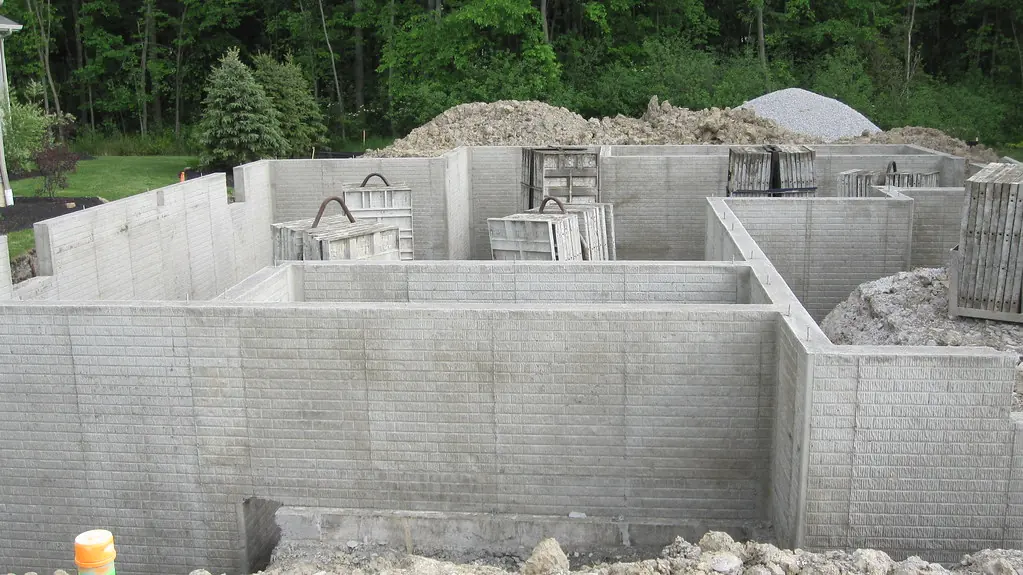
Cracks, leaks, and the wall that carries the house
Foundation crack repair and exterior protection for Ontario homes. Movement and underpinning are pointed to an engineer.
Water or a damp stripe after rain or the spring melt.
Common in poured concrete. Not automatically a structural repair.
A wall that is moving is an engineering question, not a coating.
Porosity, a crack, or a failed exterior layer at that height.
Often the cove joint or the slab edge, not the middle of the wall.
Often the well. A poor reason to inject a wall that is not leaking.
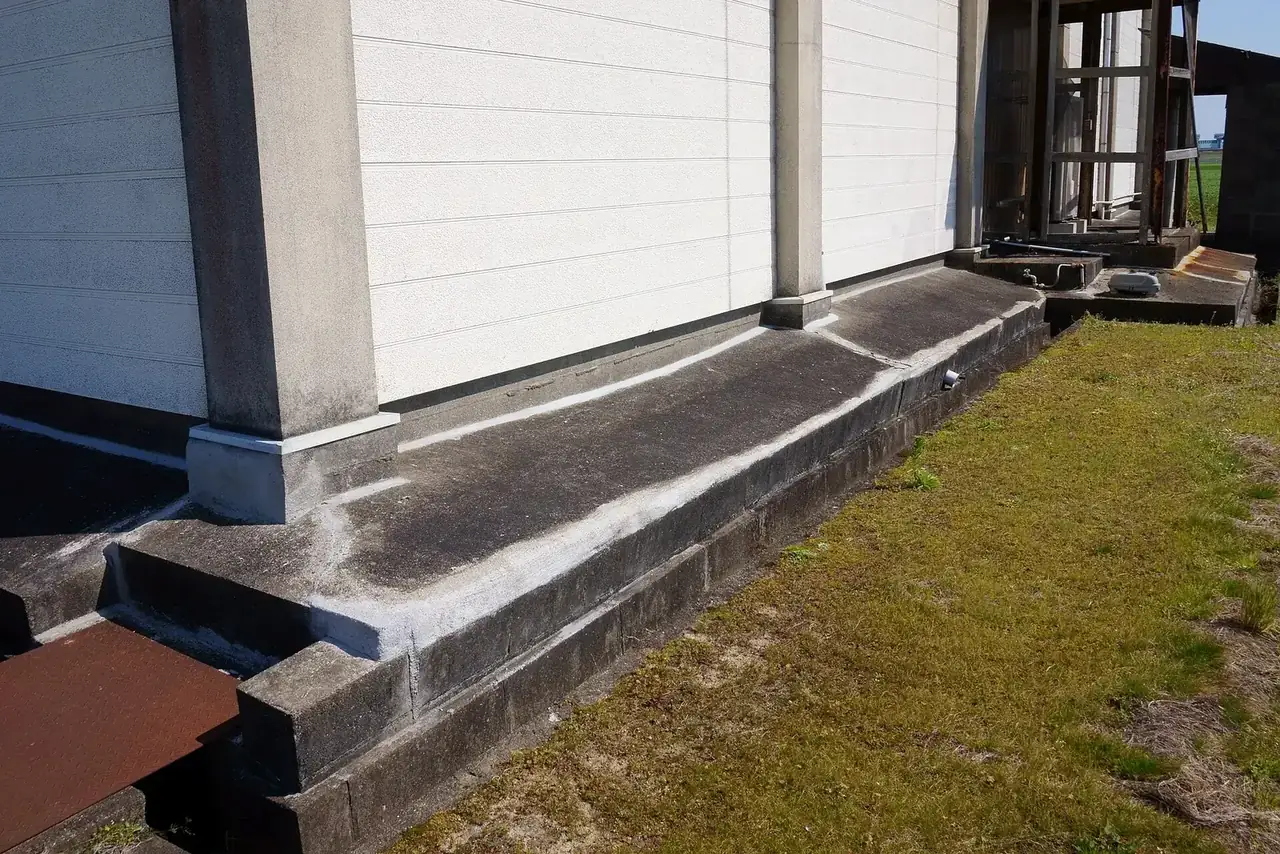
Pressure drops when water has another path. See sump pumps and drainage.
If the buried pipe is the failure, see weeping tile.
A damp floor without a crack still belongs on basement waterproofing.
Horizontal cracking, stairstep growth, or a plan to lower the basement.
Access, crack count, excavation, and reinstatement. No sample price is published.
Ontario cities are listed on service areas. They are not offices.
A foundation carries the house and separates soil from the rooms inside. Waterproofing speaks mainly to the second job. When the first job is in doubt — a wall rotating, a horizontal crack with inward movement, doors that suddenly jam — waterproofing should not talk over an engineer. Woveh does not stamp drawings and does not describe injection as a cure for settlement.
People search for foundation repair, foundation waterproofing, and foundation crack repair because something in the concrete has become visible. Basement crack repair, concrete foundation crack repair, and foundation wall crack repair are the same family of questions, so they live on this page rather than on a stack of near-duplicate URLs.
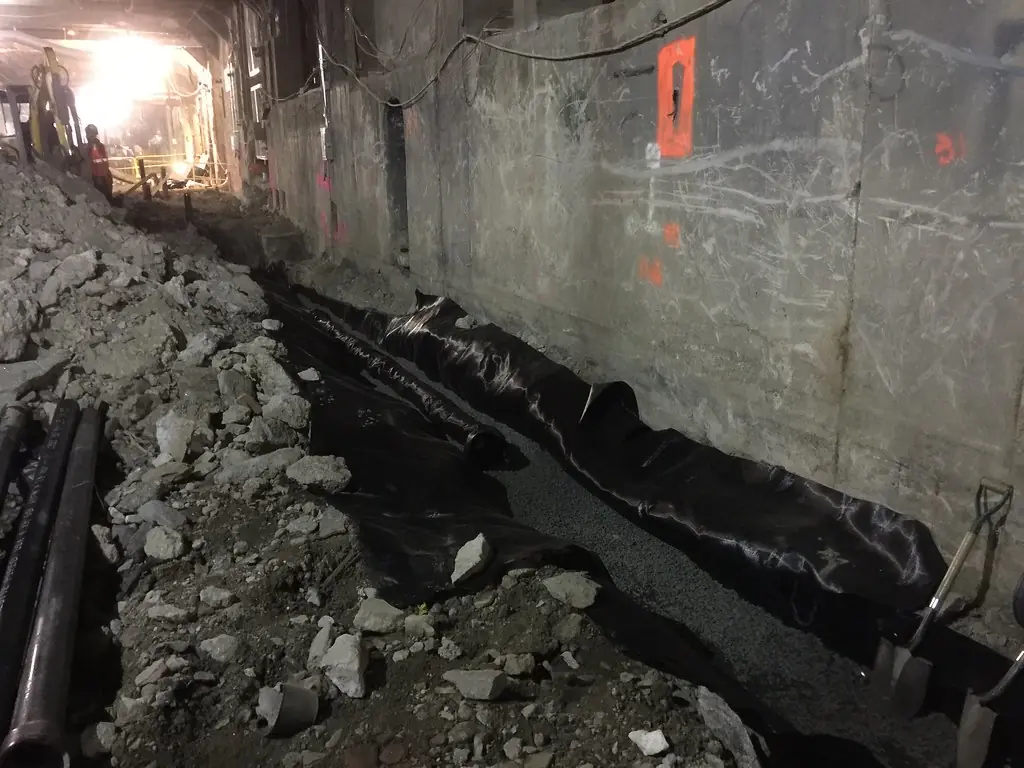
Hairline shrinkage is common in poured concrete and is not automatically a structural repair. A crack that admits water after rain or melt, while the wall stays in plane, is a leakage path. That is a waterproofing problem. A crack that is widening, offset, or paired with bowing is a different decision, even if it also leaks.
Water only at the floor suggests the joint or the slab edge. Water at a window is often the well. Injecting a dry, stable wall because a well overflowed is the wrong repair. The visit starts by naming where the water appears, not by naming a resin.
Foundation crack injection places a resin into the crack from ports set along its length. Polyurethane is often discussed where water is present and a flexible seal is the goal. Epoxy is often discussed where a more rigid bond is wanted and the crack is dry and stable. The resin follows the crack. Using the wrong one, or injecting a crack that is still moving, wastes the visit.
Interior repair is common because the crack is visible from the basement and a full excavation is not justified for a single stable leak. Exterior foundation crack repair is done when the wall is already exposed or the outside is the only side that can be reached. Parging can tidy a spalled coat. It does not cross a leaking crack or replace a footing drain.
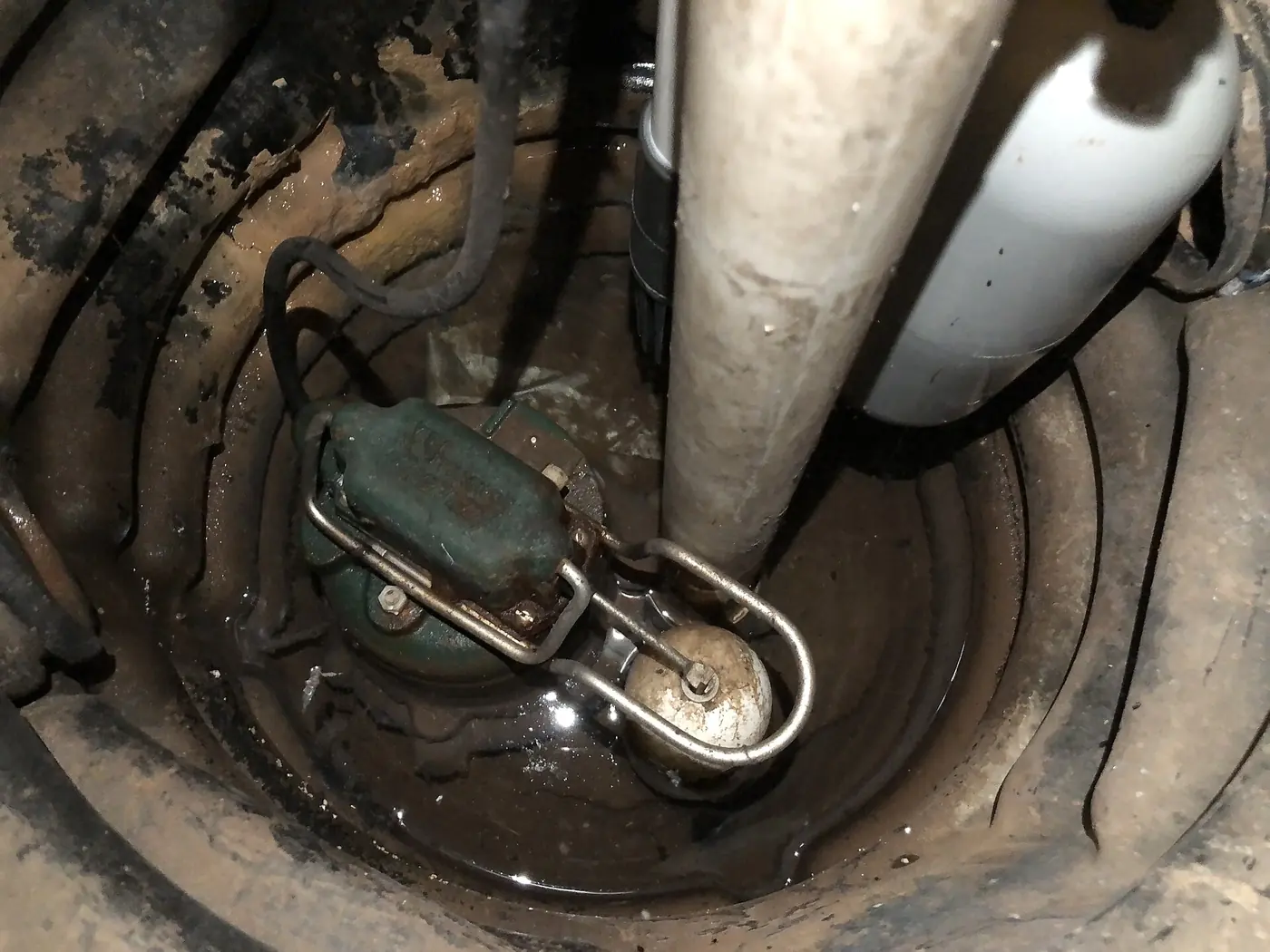
Poured walls and concrete block are common scopes in Ontario. Block walls may need the cores and mortar joints considered, because a film on one face can leave the cores wet. Stone foundations and failed parging can be discussed when the leak is at the masonry surface. If the wall is unstable, the next call is an engineer, not a thicker coat.
Garage foundation cracks and slab cracks are looked at on their own terms. Many are shrinkage. Some are settlement. A leaking one is still a water path. None of them becomes underpinning. Basement lowering and underpinning are structural alterations and are not sold here as an engineering service.
Exterior foundation waterproofing means excavation, cleaning, crack treatment, a membrane or comparable protection, and drainage at the footing. On an existing house it is a repair. On an addition it has to be coordinated so later fasteners do not pierce the membrane and the drain has an outlet before the trench is closed.
A repaired crack in a wall that still sits in undrained, saturated soil remains under pressure. Foundation drainage is part of durability. If the weeping tile is suspected, that scope is priced with the crack repair so you can see the relationship. Interior drainage is the alternative when the exterior pipe cannot be reached.
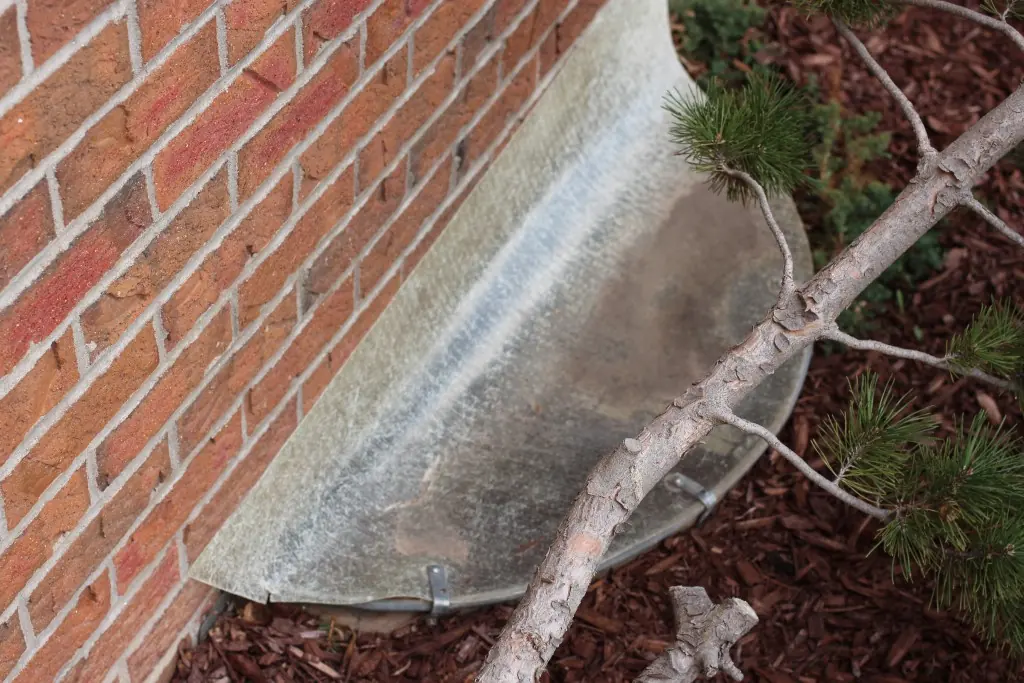
Foundation crack repair cost depends on length and width, access from inside or outside, whether injection or excavation is required, how many cracks are active, related drainage, and whether finishes must be opened. A figure belongs on a written estimate in CAD. A number published without the wall in front of us is advertising.
Toronto, Mississauga, Oakville, Hamilton, Barrie, Ottawa, and the rest of the service-area list are places this work is requested. They are not office locations. Freeze-thaw and hydrostatic pressure explain why a small leak in November can look worse in March. They are not, by themselves, a diagnosis.
A useful note is the length, the width if you can see it, whether the two sides are flush, and whether the line is wet after weather. Horizontal cracking with inward movement, stairstep cracks that keep growing, and a wall that is out of plane are not nicknames for injection. They are reasons to stop and involve a structural engineer. Woveh will say that. Waterproofing is not a substitute for that engineering.
Hairline shrinkage in poured concrete is common and often dry. It does not automatically need a structural repair, and it does not automatically need waterproofing. A crack that darkens or drips is a water path. The same house can have both. The estimate should not price them as one gesture.
Mid-wall damp suggests porosity, a crack, or a failed layer at that height. Water only at the floor suggests the cove joint or the slab edge, which may belong with basement drainage rather than with injection. Water at a window is often the well. Injecting a dry wall because the well overflowed spends the visit on the wrong surface.
Efflorescence, the white crust, means moisture has moved through the concrete even if you have never seen a stream. It is a clue, not a product recommendation. Paint that bubbles on the lower metre is the same clue wearing a finish. Scrape a test patch only if you are willing to live with the mark until the repair.
Polyurethane injection is often discussed when the crack is wet and a flexible seal is the goal. Epoxy is often discussed when a more rigid bond is wanted and the crack is dry and stable. Neither sentence is a promise that one resin fits your wall. The ports follow the crack. If the crack is still moving, injection waits.
Parging repair tidies a spalled coat. It does not bridge a leaking crack. Block walls can hold water in the cores, so a film on the inside face may leave the cores wet. Stone and mortar joints leak along the joints. Repointing and drainage are the conversation, not a membrane slogan. Garage slabs and hairline floor cracks are looked at separately. Many are shrinkage. A wet one is still a path.

Exterior foundation waterproofing is excavation, preparation, protection of the wall, and a drain at the footing. It is considered when the failure is outside the concrete and the lot allows the trench. It is disruptive to walks, planting, and neighbours. When it is the right repair, doing it halfway and calling it complete is worse than an honest interior system.
A crack repair that leaves the wall in saturated, undrained soil stays under pressure. If weeping tile is part of the reason the crack leaks, that scope is priced beside the injection so you can see the relationship. Details of the pipe live on the weeping tile page. The foundation page does not pretend to be a sump manual.
Lowering a basement or underpinning a footing changes the structure. Those projects need an engineer to define the work before waterproofing is layered onto a foundation that is about to move. This site does not sell that design, does not stamp drawings, and does not describe a coating as a substitute.
If doors suddenly jam, if a wall is measurably leaning, or if you are planning to dig the floor lower, say so at the start. The waterproofing assessment will narrow to what it can honestly see, and it will name the question it cannot answer.

Price follows length and width, the number of active cracks, access from inside or outside, whether finishes are opened, and whether drainage is included. Two cracks in a finished rec room are not the same job as one wet hairline on bare concrete. No range is printed here, because the range would be fiction.
Coverage is Ontario. Toronto, the GTA, Hamilton, Barrie, Ottawa, and the grouped cities are where the work is requested. They are not depots. Freeze-thaw explains why a November stain can look worse in March. It does not choose the resin. The wall does.
Stand far enough back to show the whole line, then close enough to show whether the edges are flush. Include the floor so it is clear whether the water is mid-wall or at the joint. A photo of a painted-over stain still helps if you say when it was wet.
Say if doors stick, if the crack has grown since last spring, and if anyone has already injected or parged it. Those facts decide whether this is a waterproofing visit or a referral. The foundation page is here so that decision is not rushed into a resin.
When it admits water and the wall is not showing movement that needs an engineer.
Resin is placed into the crack so the path is filled. The resin follows the crack, not an advertisement.
No. Hairline shrinkage is common. Widening, offset, or bowing should be reviewed by a structural engineer.
Length, width, access, how many cracks are active, and whether finishes must be opened. The estimate is in CAD.
Excavation, wall preparation, a membrane, and drainage at the footing, when access allows.
Block and poured walls are common. If the wall is unstable, the next call is an engineer.
No. Underpinning is a structural alteration. An engineer should define it before waterproofing is layered on.