At the footing
Perforated pipe in clear stone, sloping to an outlet.
Woveh
Foundation drains and sewer backup protection
Weeping tile carries groundwater away from the footing. A backwater valve is a different defence, against sewer backup.
Perforated pipe in clear stone, sloping to an outlet.
Often a sump inside. Sometimes a storm connection. It has to be real.
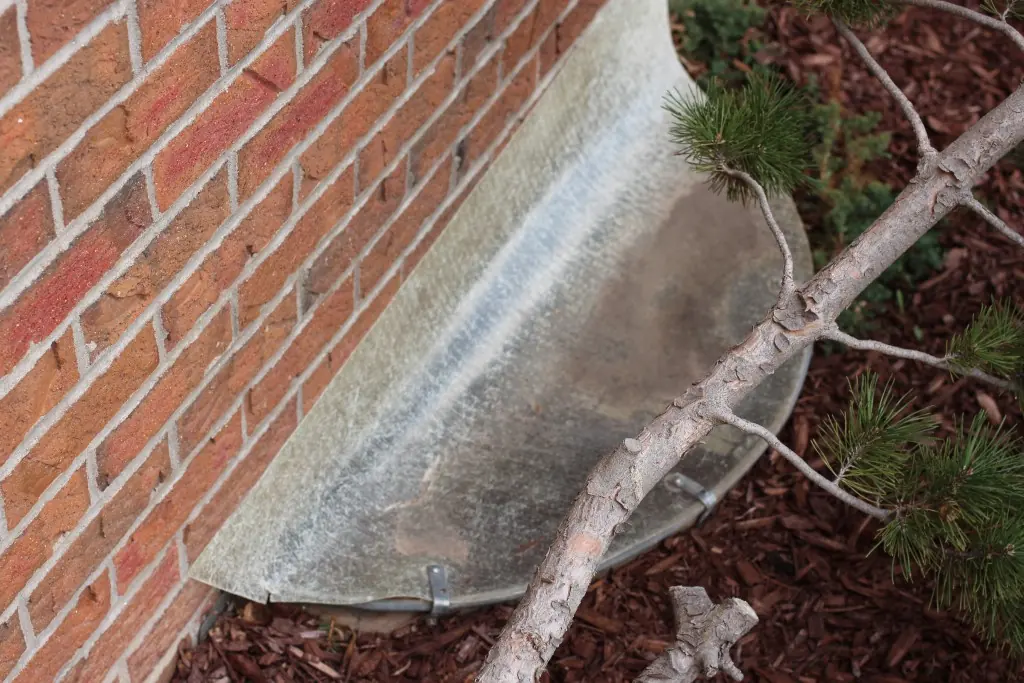
A membrane or drainage board leads water down to the stone instead of through the concrete.
Clay sections shift. Plastic can be crushed or laid flat. Both can fill with silt.
A drain at the inside perimeter collects water at the joint. It does not restore the pipe outside.
The soil is opened to the footing when the original drain is the failure and the lot allows it.
A blocked length, a crushed connection at the sump, or a line that can honestly be cleared.
The system is no longer a system. Partial replacement is labelled as partial.
Flood protection for water that comes up from the sewer, written as its own line.
Soil sloped toward the house feeds the trench. The pipe cannot compensate forever.
A leak at the concrete itself is on foundation repair.
New tile tied to a dead pump is a storage tank. See sump pumps.
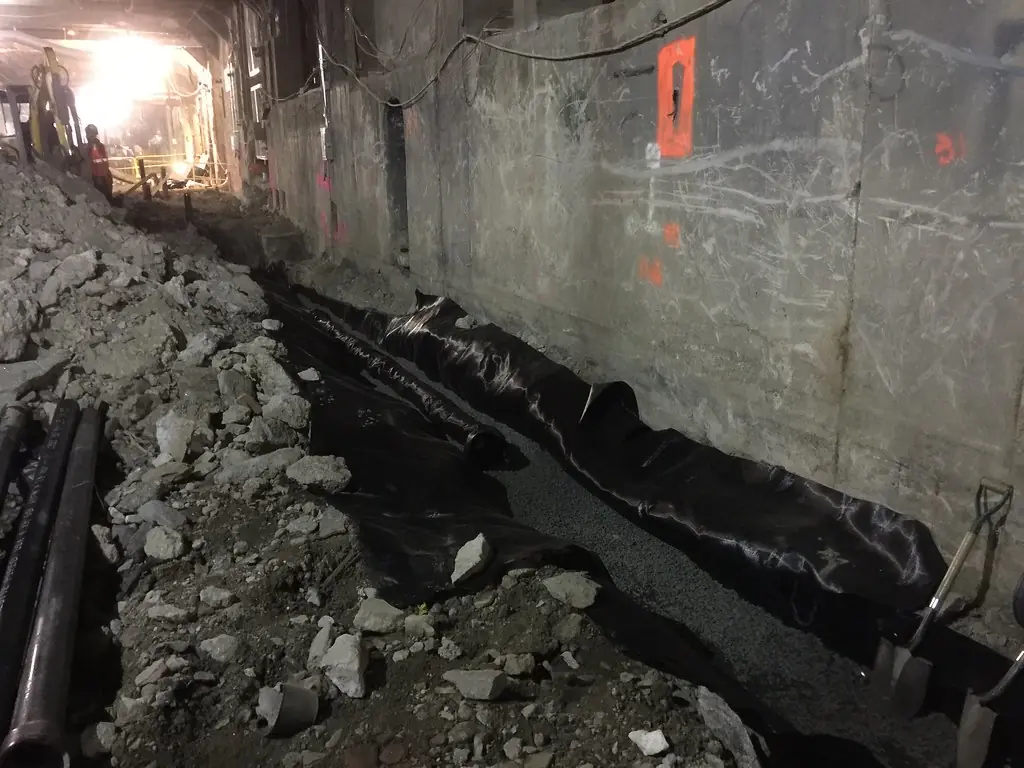
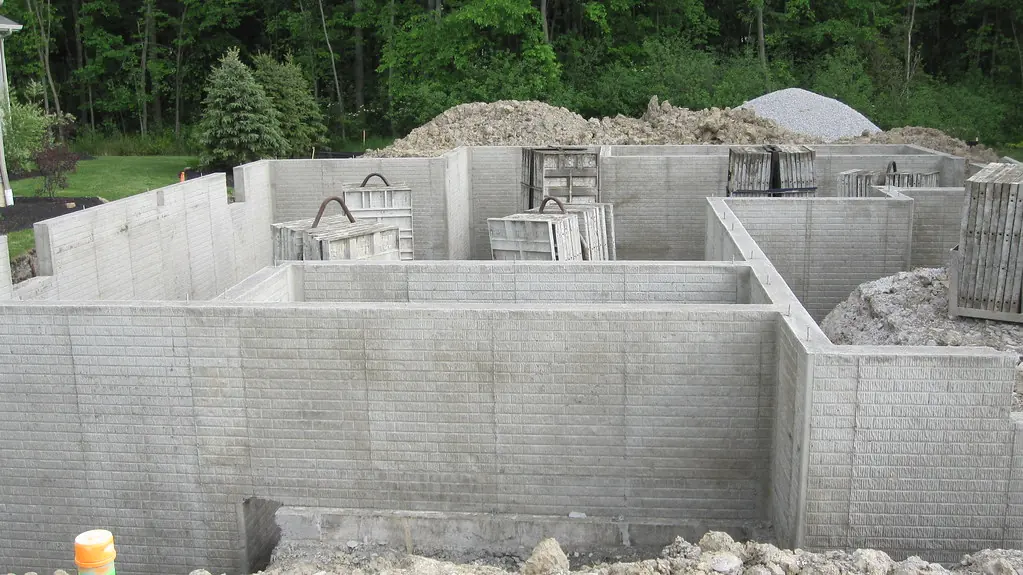
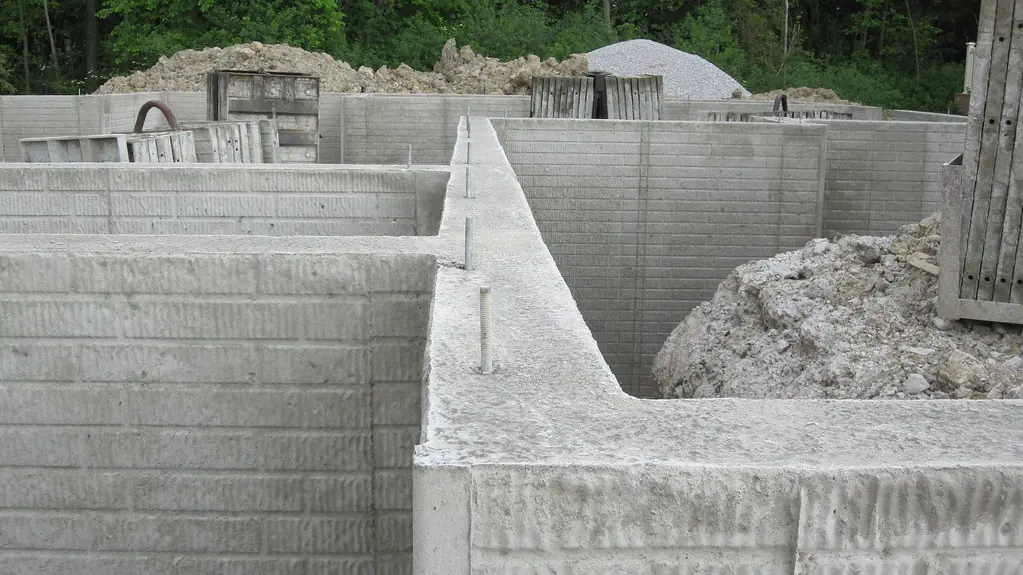
Picture the footing as a shelf at the bottom of the wall. Beside it, in clear stone, sits a perforated pipe. Groundwater enters the holes. The pipe slopes to an outlet, often a sump, sometimes a storm connection. The stone keeps soil out of the pipe. A membrane or drainage board on the wall leads water down to that stone instead of through the concrete.
That is weeping tile: a weeping tile system, foundation weeping tile, or a weeping tile drain. Older installations used short clay sections that shift and open. Newer ones use plastic that can be crushed or laid without slope. Either can fill with silt and roots until the holes are decorative.

If this drain is why the floor is wet, coating the inside of the wall will disappoint you. If the drain is fine and the window well is a bucket, replacing the tile will disappoint you too. Joint leaks on more than one wall after rain fit a drain that is not relieving pressure. A quiet sump and a wet floor can mean water never reaches the outlet.
Garden soil against one face that never dries can mean the drain on that side is not taking water. Cement smears at the joint that fail every spring are often pressure from outside. Additions and new driveways sometimes crush or abandon the original loop. The symptom shows up years later on the old wall.
Weeping tile repair can mean opening a blocked length, restoring a crushed connection at the sump, or clearing a line when a cleanout and the pipe condition make clearing honest. Cleaning is not a miracle rinse if the pipe is full of soil and broken. Replacement is the scope when the system is no longer a system.
Inspection comes before that choice whenever it can. Digging an entire perimeter because a downspout was disconnected would be careless. Replacing nothing because digging is inconvenient, while the pipe is collapsed, would also be careless. Where a cleanout exists, looking into the pipe beats a full excavation based on a hunch.

Interior weeping tile, in the way contractors use the phrase, is a drain at the inside perimeter that collects water at the joint and carries it to a sump. It does not restore the pipe buried outside. It is valid when excavation cannot be justified, and it is often paired with interior waterproofing. The floor is opened. The yard is not.
Exterior replacement opens the soil to the footing, sets new pipe in stone, connects it to a real outlet, and protects the wall while the trench is open. A partial repair — one wall, or the length beside a failed section — is specified as partial. Downspouts and grade are corrected at the same time if they are feeding the trench.
A backwater valve, including a sewer backwater valve, protects against water that comes up from the drain during intense rain, when a municipal or private sewer surcharges. Fixtures and floor drains then become the relief point. A valve is meant to close against that reverse flow. It is not weeping tile, and it is not a reason to skip a leaking wall.
Local plumbing rules and whether a permit is required are part of doing the work properly. This website does not promise that a valve is approved on your street, and it does not describe a rebate or a government programme. If you need both tile work and a valve, you will see both lines on the estimate.
Weeping tile installation cost, replacement cost, and cleanout cost follow length, interior or exterior access, depth, disposal of soil, reinstatement of walks and planting, the sump, and whether a valve is separate. Currency is CAD on the estimate. A number published without the trench is advertising.
After the work, keep soil and mulch from burying the waterproofing, keep downspout extensions on, and do not plant aggressive roots into the new stone. If an interior system was installed, leave a way to see the sump. Note the first heavy rain rather than assuming silence means the job can be forgotten.
A downspout that dumps on the foundation, a well full of leaves, and a sump with a broken check valve can imitate a failed weeping tile. Opening the whole yard for those would be careless. So would leaving a collapsed pipe in the ground because excavation is inconvenient. Where a cleanout exists, looking into the line is the honest first step. Silt, standing water, or a broken section is useful news. A hunch is not.
Camera notes and the pattern of the leak belong in the same conversation. Water at the joint on several walls after rain fits a drain that is not relieving pressure. One wet corner beside a window fits a well. The estimate should be able to say which storey it believed, and what would change its mind.
Older Ontario houses often have short clay sections. They shift, open at the joints, and fill with soil. Newer plastic can be crushed by a driveway, laid flat, or sleeved into a sump that was never connected. Both can look identical from the basement: a wet floor and a pit that stays quiet. The material changes the repair. It does not change the need for an outlet.
Filter fabric and clear stone are there to keep silt out of the holes. They are not magic. Roots still enter. A 'cleaning' that cannot reach a broken section is a rinse. Replacement is the scope when the pipe is no longer a pipe. A partial replacement is labelled with the length, so the unseen sides are not implied.
An interior system collects water at the floor-wall joint and takes it to a sump. People call it interior weeping tile. It does not rebuild the buried exterior loop. It is the right choice when the outside cannot be reached and the goal is to keep the floor dry. It is the wrong sentence if it is sold as having replaced the footing drain.
The floor is opened. A finished basement feels that disruption more than the yard would have. Exterior work does the opposite: the lawn is opened, the rec room is not. Cost follows that access, the depth, the spoil, and the reinstatement. Two neighbours can be opposite cases. That is why no sample price is printed.
Sewer backup and groundwater are different floods that sometimes share a storm. A backwater valve closes against water coming up the drain. It does not stop seepage through concrete, and a new membrane does not stop a municipal sewer from surcharging through a floor drain. If you need both, the estimate shows both lines.
Permits and local plumbing rules are part of a valve installation. This site does not promise that your street allows one, and it does not describe a rebate or a city programme. If a rule applies, it is handled as a constraint on the job, not as a marketing claim.
Soil and mulch that bury the top of a new membrane, and beds that slope toward the house, feed the repair you just paid for. Aggressive roots planted into the stone will find the holes. Downspout extensions that are removed for the garden put the roof back on the footing. These are maintenance notes, not a service plan with a logo.
After exterior work, the first heavy rain is the test you can see without opening the trench. After interior work, the test is whether the pit rises and the floor stays dry, and whether you can still open the lid. Silence plus a buried sump is not success.
Wall leaks and crack sealing are on the foundation page. A local well leak can be handled with basement leak repair without a full tile replacement. The pump that receives the tile is on the sump page, including winter discharge. This page stays with the footing drain and the sewer valve so those subjects are not diluted.
Coverage is Ontario, including Ottawa, Sudbury, and Thunder Bay, confirmed by postal code. Toronto, Oakville, Scarborough, Hamilton, and the grouped cities appear because homeowners there ask about tile and backup. They are not depots. A listed city is a scheduling fact, not a crew already parked there.
Weeping tile is the footing drain. A French drain in the yard may never touch it. A backwater valve never replaces it. If a quote uses all three names for one line item, ask which hole is actually being dug and where the water is supposed to go.
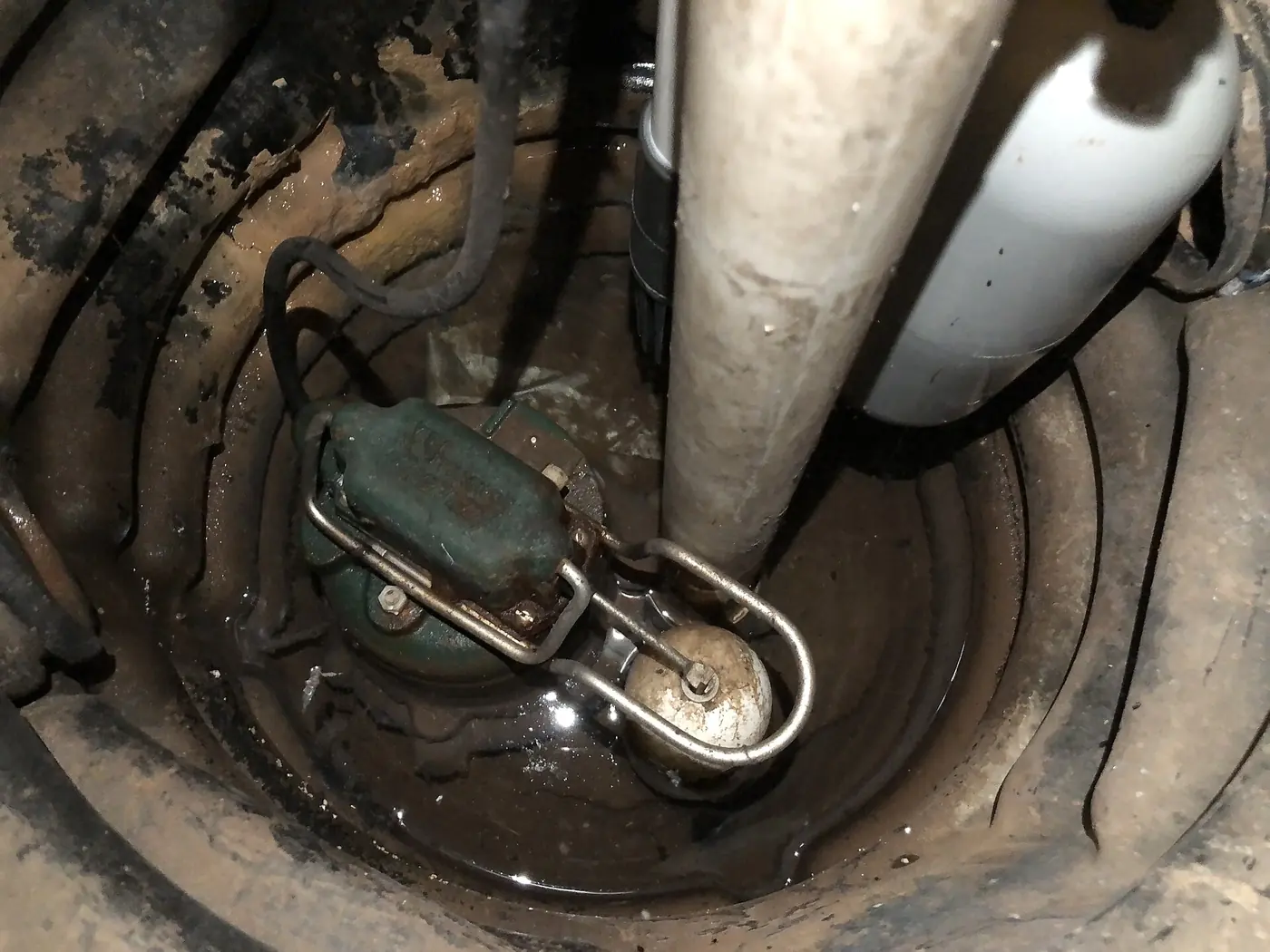
They rhyme. Weeping tile is the footing drain in Canadian houses. A yard French drain may never touch the footing.
If the buried drain is why the floor is wet, a coating alone will disappoint you.
Sewer water coming up from the drain, not groundwater coming through the wall. It is not a substitute for tile.
Sometimes, when a cleanout shows a clearable blockage. A collapsed or soil-filled pipe needs replacement.
Length, interior or exterior access, depth, reinstatement, the sump, and whether a valve is a separate line. The estimate is in CAD.
No. Local rules and permits are part of the job. This site is not a government programme.
Up from the floor drain, or in through the wall. They are different repairs.
Request an Estimate