Water after rain
Floor wet after rain or melt. See basement waterproofing.
Woveh

Ontario waterproofing services
Basement leaks, foundation cracks, sump pumps, weeping tile, crawl spaces, and window-well drainage. The estimate follows the house.
Floor wet after rain or melt. See basement waterproofing.
Seepage through concrete, with or without a visible stream.
A drip at a crack. See foundation crack repair.
Alarm, stall, or nonstop running. See sump pumps.
Water up from a floor drain. See backwater valves.
Damp air from under the floor. See crawl spaces.
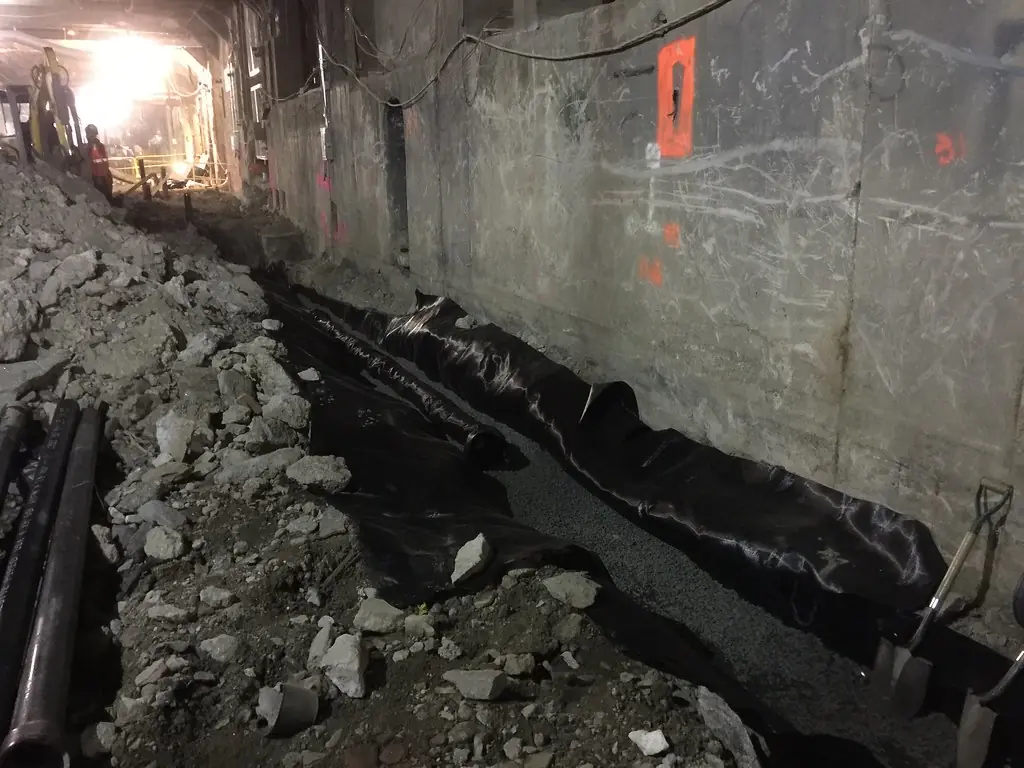
Wet basements and leak repair. Open the page.
Cracks and exterior protection. Open the page.
Installation, repair, and replacement. Open the page.
Footing drains and flood protection. Open the page.
Encapsulation and drainage. Open the page.
The sequence is on About.
People search for a waterproofing contractor because something in the house is repeating: a floor that darkens after rain, a pump that alarms, a crack that weeps, or air that smells damp even when the carpet looks dry. Those symptoms share a building. They do not share a single repair. The services page exists so the names can be sorted before anyone sells a system.
Ontario basements sit below grade in soil that freezes and saturates. Toronto and the Greater Toronto Area hold the strongest demand, with Hamilton and other Ontario cities close behind. Coverage for a street is confirmed with the estimate. A city name on this website is not a branch office.

Interior basement waterproofing collects water that has reached the floor-wall joint and gives it a route to a sump. It is the practical choice when the outside of the wall cannot be opened, or when the goal is to manage seepage rather than to excavate the yard. It should say so on the estimate. It should not be described as having dried the soil.
Exterior waterproofing opens the soil, treats the wall, and rebuilds drainage at the footing when access allows. Decks, narrow side yards, and buried services can make that dig unreasonable. On a tight lot the honest recommendation is often interior drainage plus grade and downspout corrections, not a trench that cannot be dug safely.
A leaking foundation crack can be a waterproofing problem when the wall is stable. Injection fills that path. It does not replace a collapsed weeping tile, and it is not a structural opinion. If the wall is bowing, offset, or part of a plan to lower the basement, a structural engineer defines the work. Woveh does not claim that role.
Sump pump installation, repair, and replacement belong with the drain that feeds the pit. A new motor on a basin that never receives the water will disappoint you. French drains and foundation drainage are the collection half. Weeping tile is the Canadian name for the footing drain. A backwater valve is a different device, for sewer water coming up, not groundwater coming through the wall.
Water standing in a basement window well is a drainage question: a blocked drain, a missing drain, or grade that slopes into the opening. That can be part of leak repair. Replacing a window so a bedroom meets egress rules is a window and structural opening. Woveh will say when that work sits outside waterproofing.
Crawl spaces are not shortened basements. They are low volumes over soil, with joists close overhead. Encapsulation, drainage, and moisture control for that volume have their own page so the advice is not a copy of the basement article with the nouns swapped.
No page on this site publishes a fixed price. Cost factors are real: length of wall, access, whether the floor is finished, how often water appears, the condition of the pump and the tile, and what must be reinstated outside. The number that matters is written in Canadian dollars after someone has seen the house.
A request is an invitation to talk. It does not reserve a crew. The written scope includes what is not included. That is how a homeowner avoids paying twice for a repair that skipped the cause.
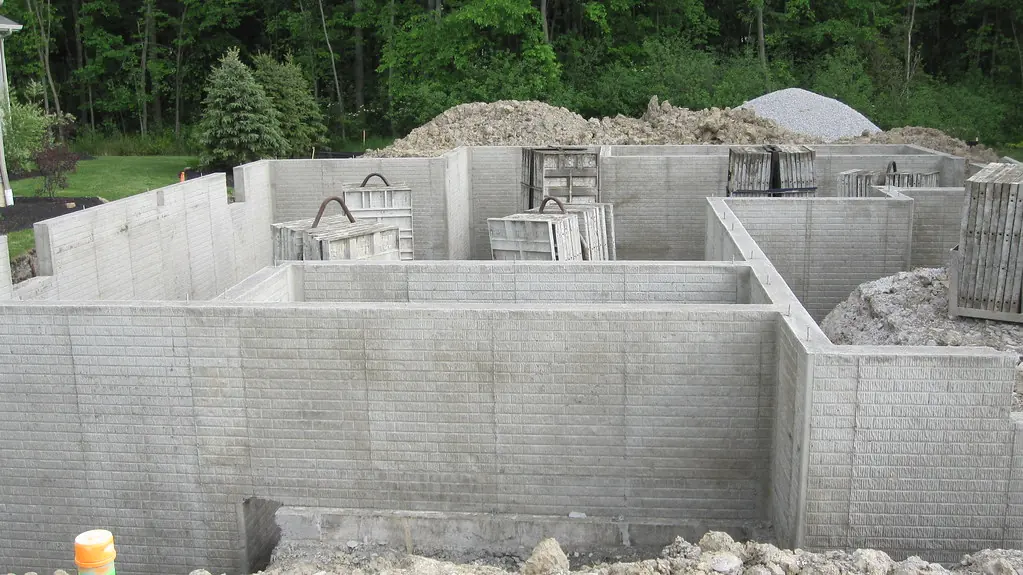
If the floor is wet, start with basement waterproofing. If the concrete itself is cracked and leaking, start with foundation repair. If the pit is the problem, start with the sump pump page. If the buried drain or a sewer backup is the storey, start with weeping tile. If the smell begins under a low floor, start with the crawl space.
The same sequence of work — a paid visit, a written estimate in Canadian dollars, your agreement, then the work — is outlined on the home page and in fuller form on About. You do not need the correct trade name before you call. You need the timing, the place in the house, and a postal code.
Most people arrive with an observation, not a trade name. The floor darkened after rain, the pump is loud, or a white crust has appeared on the concrete. Basement waterproofing, foundation crack repair, sump service, weeping tile, and crawl space moisture are names used after the path is known. This page keeps those names next to each other so they are not sold as competing products.
Interior and exterior waterproofing are the two large tools for a wet basement. Injection is a tool for a stable leaking crack. A French drain or weeping tile carries water that should have left at the footing. A backwater valve answers sewer surcharge. One slogan for all of them is how the wrong repair gets chosen.
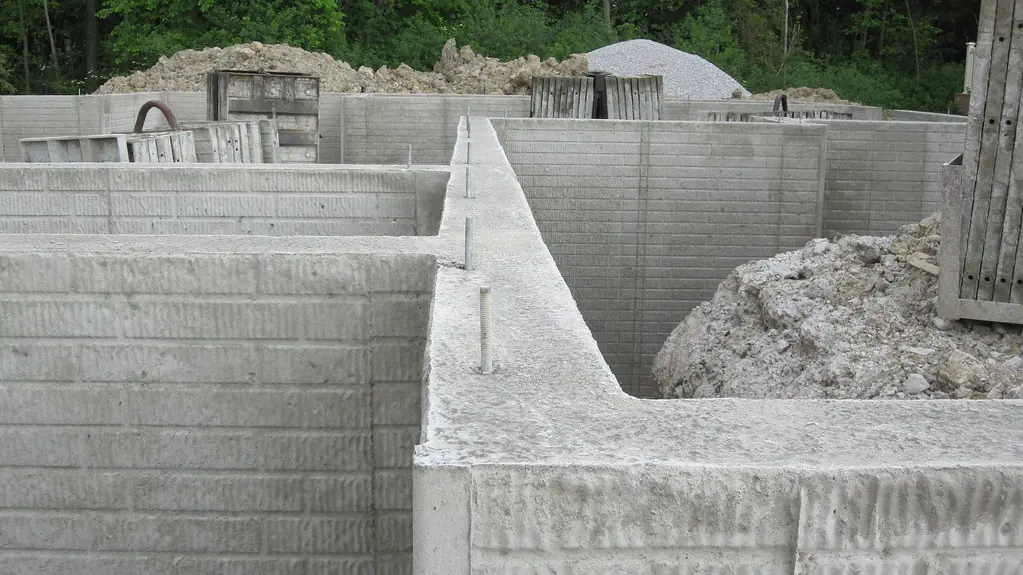
Window-well drainage is in scope when the well holds water or its drain is blocked. A new egress window, sized so a bedroom meets exit rules, is not. Underpinning and basement lowering are not. A bowing wall is not an injection. Each limit is repeated on the page that owns it, so it is not a surprise in the estimate.
Battery backup is only a general option. No brand and no runtime is promised. Encapsulation belongs to crawl spaces, and only after standing water has an outlet. Parging tidies a surface. It does not replace a footing drain. Woveh does not describe itself as an engineering firm.
No service page publishes a sample range. The factors are length, access, finished rooms, excavation, electrical distance, reinstatement, and whether two scopes belong on one visit. The currency is Canadian dollars. The document is a written estimate after the house has been seen.
One visit can cover a crack and a pump when they share a path. The lines can be separated so the work can be phased. A small interior repair and a full exterior dig are not scheduled the same way.
Demand concentrates in Ontario, especially Toronto and the GTA, then Hamilton and the other cities grouped on the service-area page. There is no URL per municipality. Edmonton, Vancouver, Calgary, and Montreal are not service areas here. If your Ontario town is nearby but unnamed, the postal code is still how you ask.
Older houses often have damp-proofing and clay tile that have aged out. Newer subdivisions often have a pump and a plastic footing drain that can fail from silt, frost, or a discharge that ices shut. The decade of the house is a clue. The wall in front of us is the decision.
Send the symptom, the timing, and the postal code. Photographs of the wet line, the crack, the pit, or the space under the floor help. You do not need to choose interior or exterior before you write. Do not send payment cards or identity documents. They are not part of an assessment.
A reply is about coverage, a paid visit, a written estimate in Canadian dollars, and work after you accept it. It is not an account and it is not a reserved crew.
The basement page owns leaks and the interior-or-exterior choice. The foundation page owns cracks and the point where an engineer takes over. The sump page owns the pit, the French drain, and the discharge. The weeping tile page owns the footing drain and the backwater valve. The crawl space page owns the low volume over soil.
The home page is the short map. About is the process, without a company biography. If two pages repeat the same paragraph, one of them is in the wrong place. A homeowner with a dead pump should not be walked through an article that never mentions the float.
The repair matches the path. Discharge leaves the foundation. Grade does not feed the wall. A partial excavation is labelled partial. The pump can be seen without tearing up a new floor. You know what was not done, and why. The next heavy rain is something you can watch.
These pages are written so the scope stays specific. The estimate is meant to meet that standard.
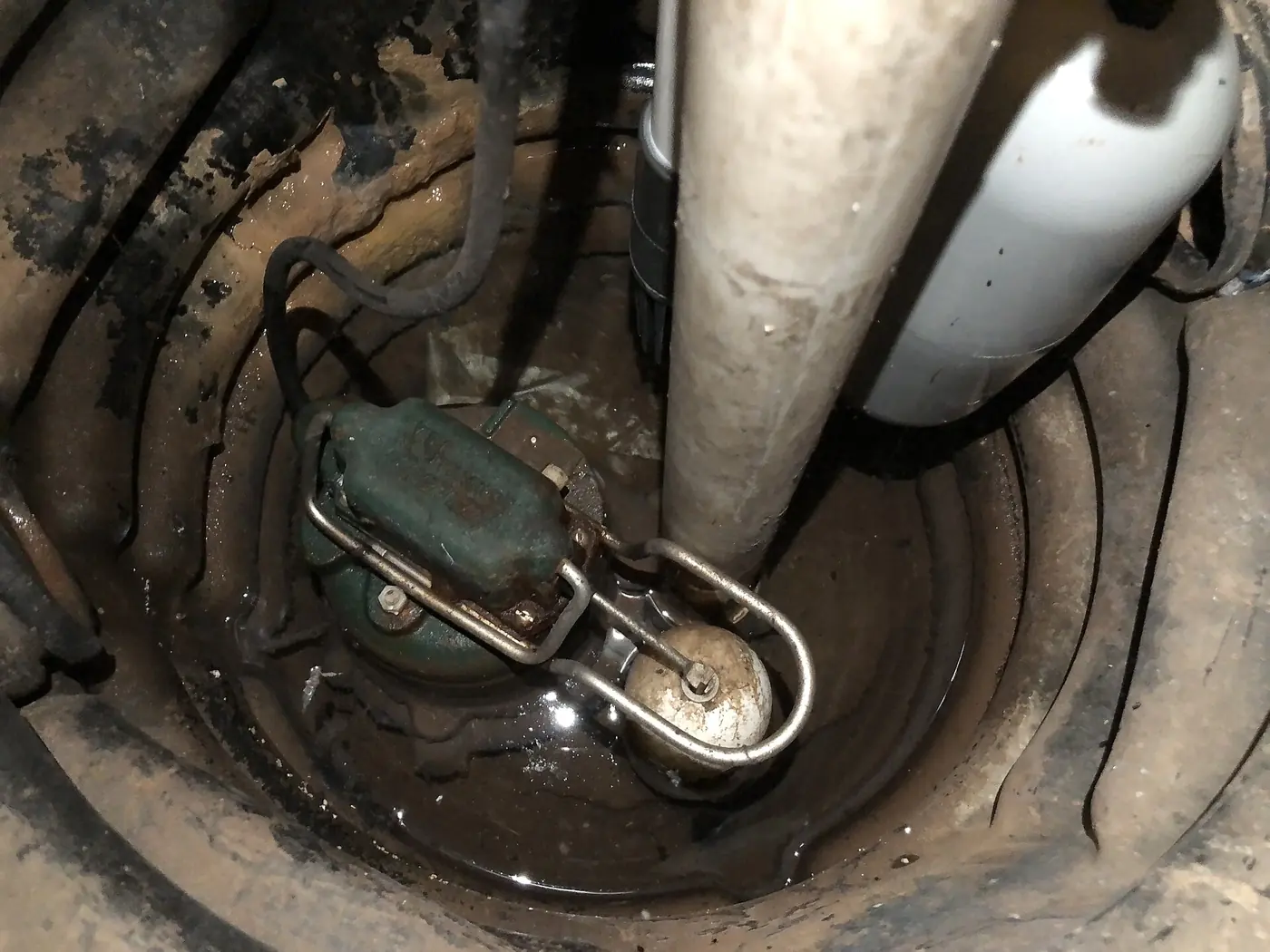
Water through the wall or the joint is basement waterproofing. Water up the floor drain is a backwater valve. A dead pump is the sump page. A low, soil-floored space is the crawl space. A crack that may mean the wall is moving is an engineer, said out loud, not buried in a coating.
You can hold the estimate to that split. If the paper mixes them without saying why, ask. The pages on this site are separated so the answer can be separated too.
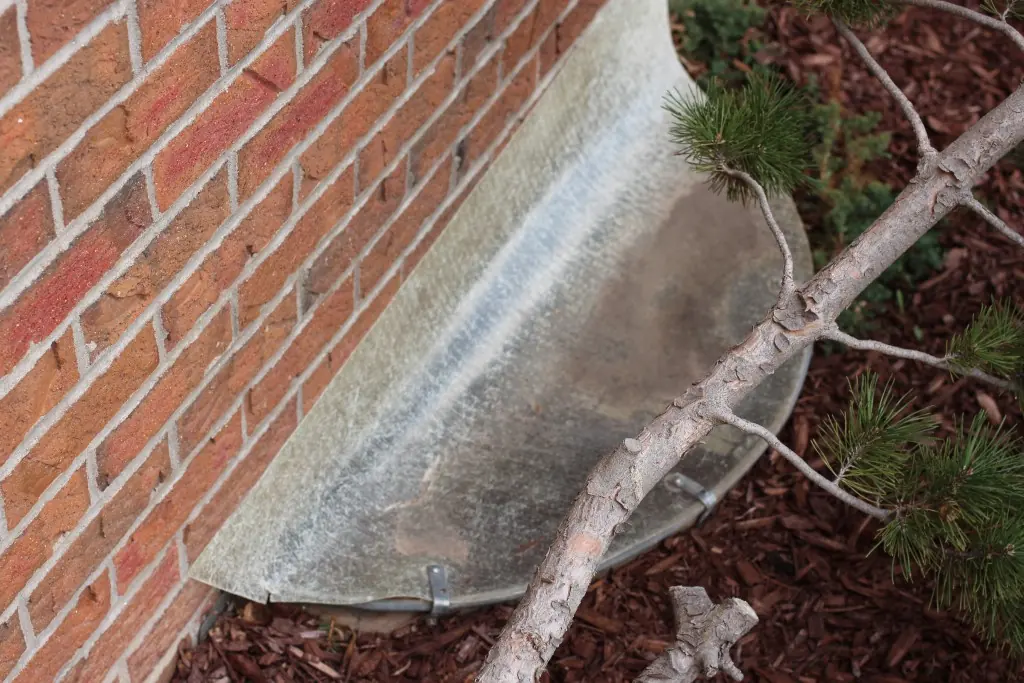
Start with basement waterproofing. The visit sorts drainage, a crack, a sump, or a window well.
No. Cost factors are on each page. The number is the written estimate after the house is seen.
Yes. Cracks, pumps, and drains often belong to the same water path and can be separated on one estimate.
Water in a window well is a drainage question. A code egress window is a different trade.
No. Basement lowering and underpinning need a structural engineer. Woveh does not claim that role.
Across Ontario, including Ottawa, Sudbury, and Thunder Bay. Toronto is the base. Your street is confirmed with the request.