Installation
A basin at a low point when the house has interior drainage and no outlet.
Woveh
Installation, repair, replacement, and the drains that feed them
A sump pump is the end of a drainage system. Woveh installs, repairs, and replaces pumps, and builds the drains that feed them.
A basin at a low point when the house has interior drainage and no outlet.
Failed switches, seized impellers, clogged inlets, and check valves that let water fall back.
A tired motor, a short capacity, or a basin that is cracked.
A gravel trench and perforated pipe with a real outlet, inside or outside.
A channel at the floor-wall joint that carries seepage to the pit.
Pipe at the footing. Full tile detail is on weeping tile.
An option for storms that arrive with a power cut. Not included unless written.
If the timing is urgent, say so. The reply will be honest about the schedule.
A line that dumps beside the footing recycles the same water into the pit.
The float should move, and the lid should open. A cover that cannot be lifted is a future leak.
A dry pit and a wet floor may be a basement leak, not a bad motor.
Ontario, confirmed by postal code. See service areas.
A sump pump is the discharge point for interior drainage and for many weeping tile systems. Searches for sump pump installation, repair, replacement, and basement sump pump service describe a homeowner who already knows the pit exists, or who has been told they need one. Broader wet-wall diagnosis stays on the basement page so the two articles do not repeat each other.
In Ontario the pump earns its keep in the spring melt and in summer storms. A discharge that freezes, a line that recirculates into the pit, or a basin full of silt will look like a bad pump. Service starts by watching what the water is doing, not by swapping the motor on principle.
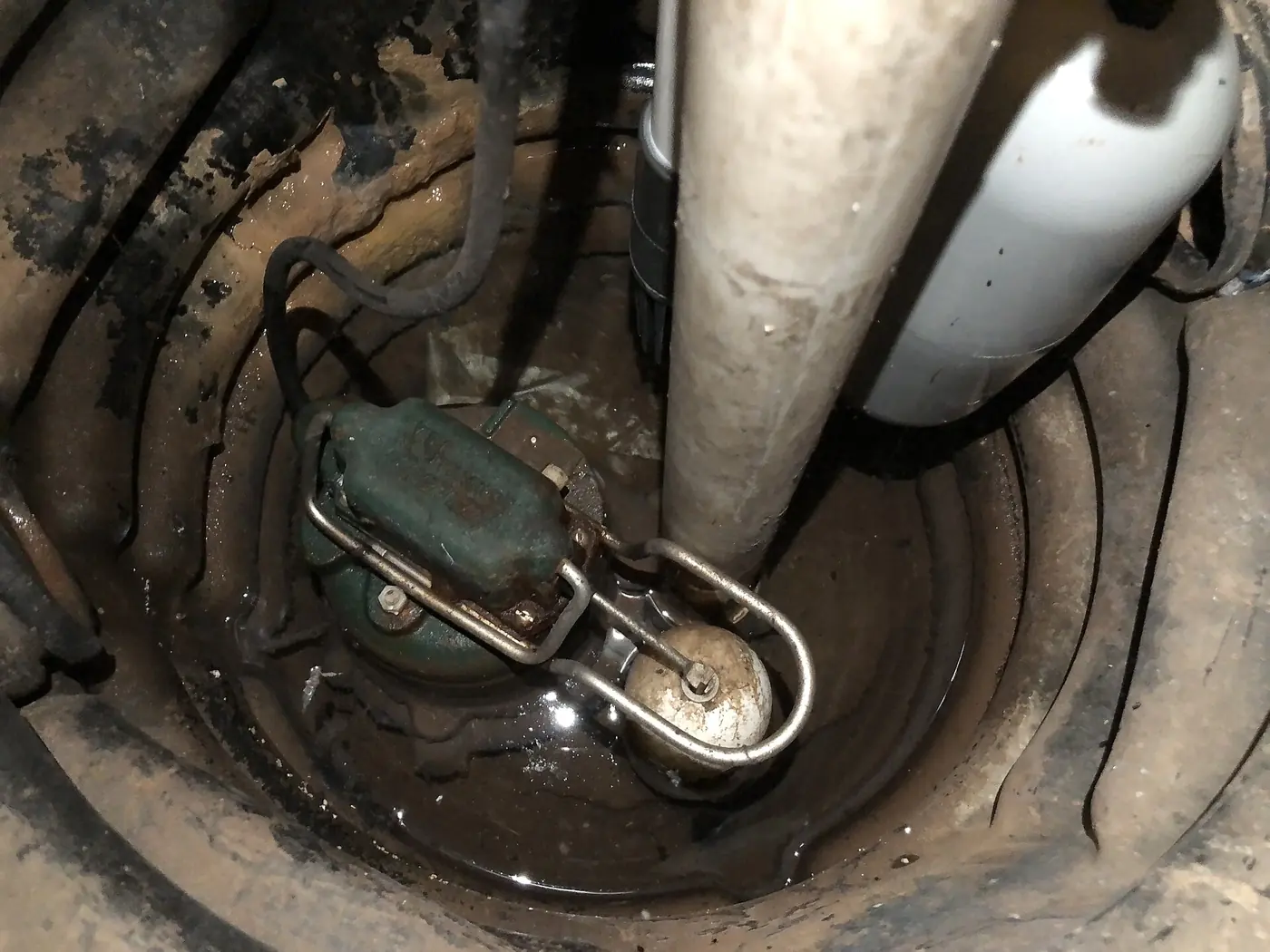
Installation means a basin at a low point, a pump matched to the lift and the volume you actually see, a check valve, a discharge that leaves the foundation, and power that is safe and serviceable. It is specified when interior drainage or a repaired weeping tile needs an outlet the house does not have.
The pit is not dropped in the middle of a finished floor for convenience if a perimeter drain cannot reach it. Location follows the water. Cutting concrete is part of the scope. If a municipal rule affects where the water may be discharged, that constraint is part of the design, not a surprise after the hole is open.
Repair covers failed switches, seized impellers, tripped protection, clogged inlets, and check valves that let the discharge fall back. Pumps fail during storms, which is why emergency language shows up in search. Woveh does not advertise a guaranteed 24-hour arrival. If the timing is urgent, say so, and the response will be honest about what can be scheduled.
Replacement is the right scope when the pump is at the end of its service life, when capacity is plainly short, or when the basin itself is cracked or undersized. The new pump is chosen for the head — how high and how far the water must travel — and for whether the pit receives a trickle or a surge. Sump pump replacement cost depends on access, electrical work, whether the basin is reused, and the discharge route.
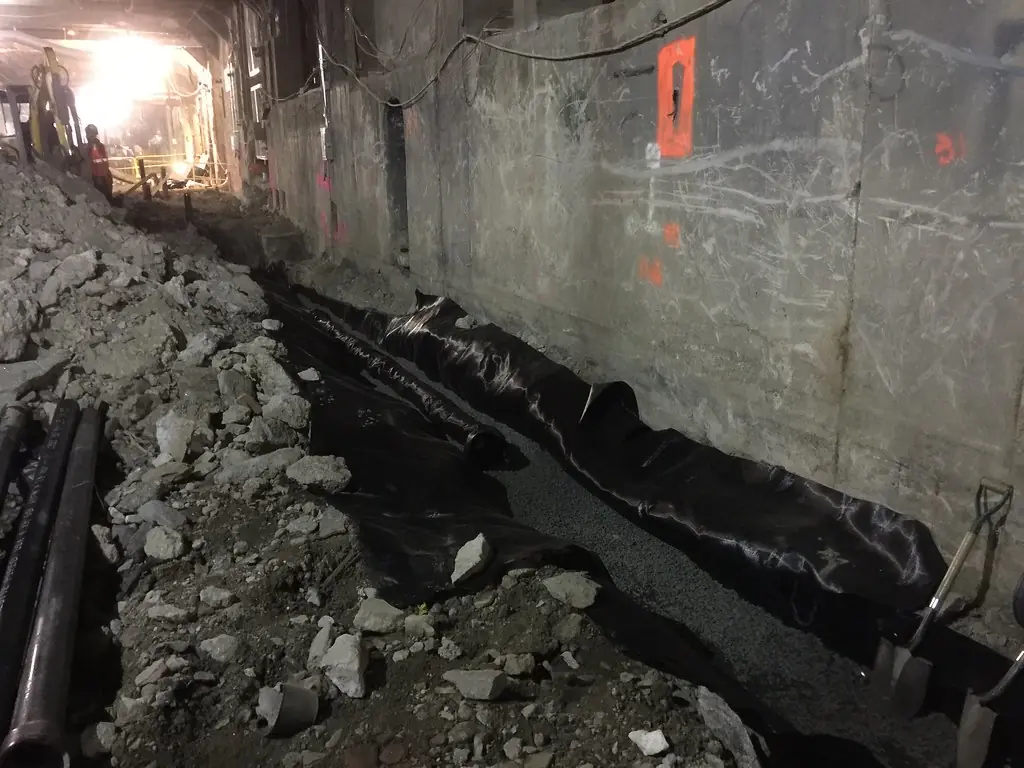
A French drain is a gravel trench and a perforated pipe with a place to outlet. Inside a basement that usually means breaking out a strip of slab at the wall, laying the drain to the sump, and reinstating the concrete. People also call that an interior French drain or part of interior waterproofing. The function is collection.
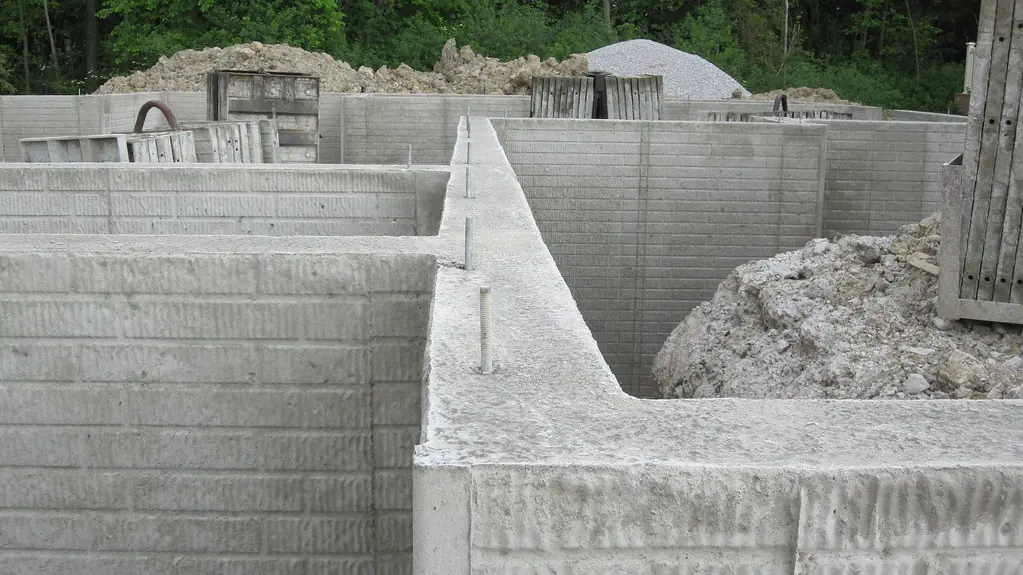
Outside, a French drain may sit beside the footing or further into the yard to intercept shallow groundwater. It is not automatically weeping tile, though the materials rhyme. The estimate names the location so the names do not blur. A drain with nowhere to discharge is a trench.
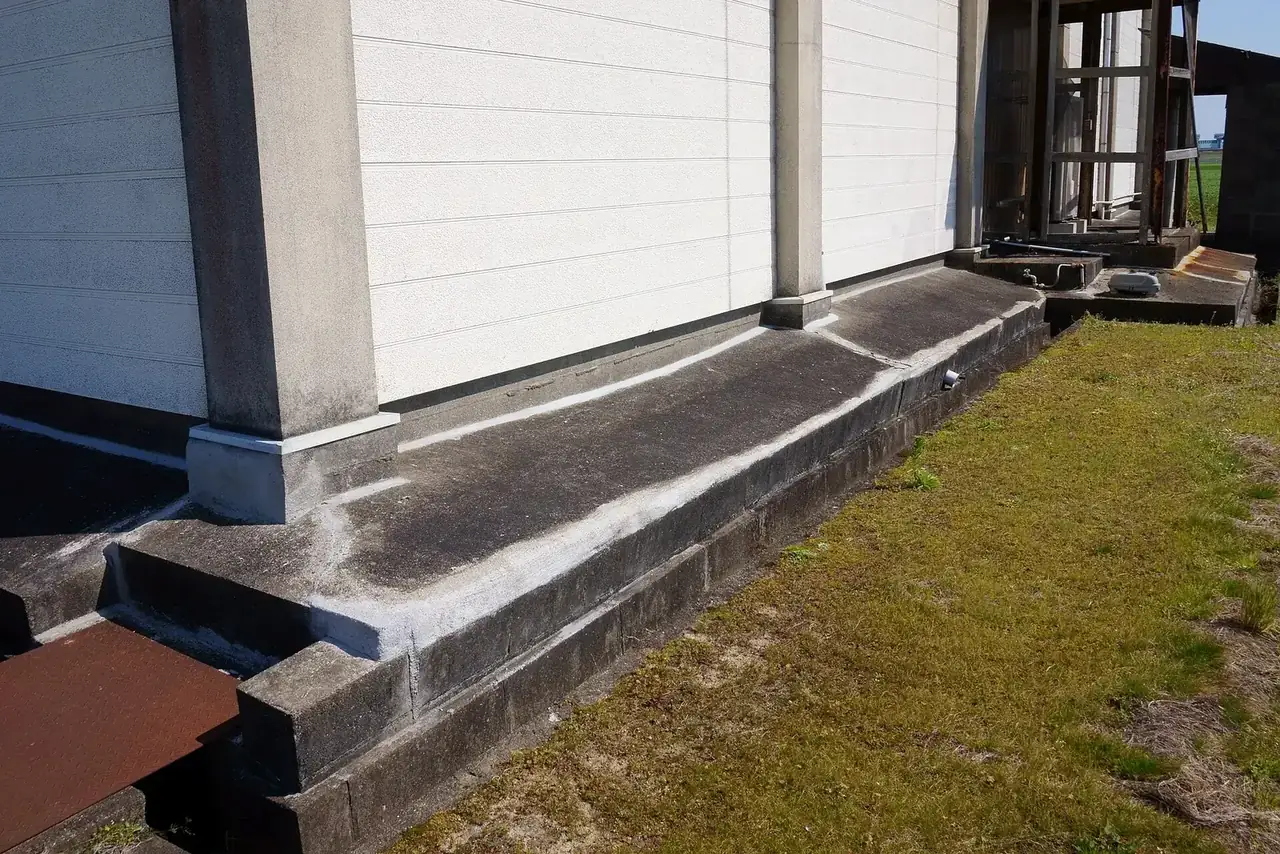
Many failed pumps in Ontario are discharge problems. The pipe leaves the house, runs to daylight, and in January ices shut. Water then has nowhere to go, the pit fills, and the motor works against a closed line. A longer discharge that still dumps beside the footing recycles the same water, and the pump appears to run forever.
The repair is sometimes a valve, sometimes a rerouted outlet, and sometimes slope or protection at the exposed section. It is written as its own line when it is not just a new motor. Before winter, the outlet should be confirmed so it will not ice closed against the foundation.
Power outages and heavy rain sometimes arrive together. A battery backup, or a secondary pump on a different supply, is a general option for that risk. It is not included unless the estimate says so. This site does not claim a stocked model, a brand partnership, or a number of hours of runtime. Batteries age, and a backup that is never tested is a rumour.
Lift the lid a few times a year. The float should move. The pit should not be a bin for gravel. Pouring water can be a fair test. Running a pump dry is not. Installation versus replacement, electrical distance, concrete cutting, drain length, and whether backup is included are the cost factors. The written number is in CAD. No teaser range is published here.
If you can do it safely, watch the pit during a rain. Does the water rise, does the float travel, does the pump start, and does the level actually fall? A motor that hums while the level stays high is not a switch problem only. It may be a blocked inlet, a failed impeller, or a discharge that cannot leave. A pump that starts every few minutes in dry weather is often water falling back through a bad check valve.
The alarm during an ordinary rain means the pit is getting more water than the pump is removing, or the pump is not starting in time. Neither fact is solved by a brochure. Silt, roots, and gravel in the basin stop the float from travelling. Clean that before you condemn the motor. Do not run the pump dry to 'test' it.
A pump in a box is not an installation. The basin has to sit where a perimeter drain can reach it. The check valve has to hold. The discharge has to end somewhere that is not the soil against the footing. Power has to be safe and serviceable, which may mean an electrician. Concrete cutting, spoil, and the length of new drain are lines on the estimate, not surprises.
If the house has no pit and the floor is wet, a new pump with nowhere for water to enter will sit in a dry hole beside a wet room. Interior drainage is the collection half. The sump is the end. They are priced so you can see both, and so you can decline the half you do not need.
Replace the pump when it is worn out, when the head is wrong for the run, or when the basin is cracked or too small. Do not replace it because the calendar says pumps last ten years, and do not keep a dead one because replacement sounds expensive. Capacity is about the water you see, not about the largest unit in a catalogue.
Sump pump installation cost and replacement cost depend on access, electrical distance, whether the basin is reused, the discharge route, and any drain that must be added. The written figure is in Canadian dollars. A sample range on this page would not match your pit.
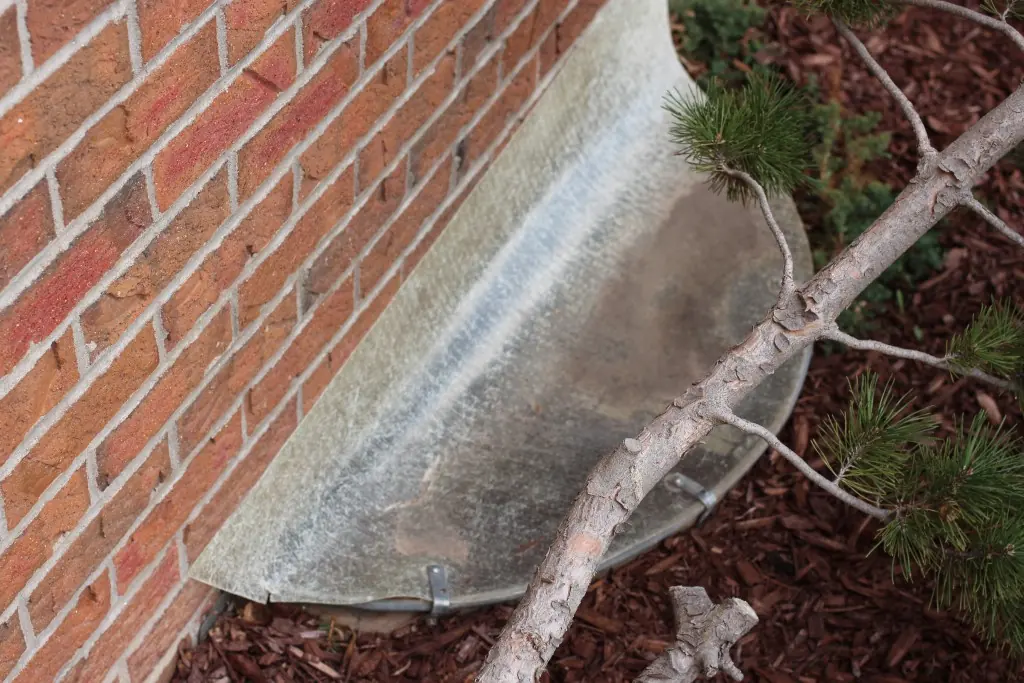
Ontario discharge pipes ice. The outlet that worked in October can close in a cold week, the pit fills, and the motor works against a shut line until it fails. A longer pipe that still dumps at the foundation recycles the same water and the pump appears to run forever. Heat, slope, and a different outlet are repairs. They are not always a new motor.
Before winter, look at the outlet. It should open away from the wall. An extension that was kicked aside in the summer is a leak you already own. Interior French drains and footing drains both depend on that exit. Ask, when you compare prices, whether the quote includes a discharge you can point to outside.
Inside, a French drain is usually the perimeter channel to the sump: broken slab, pipe, stone, and concrete put back. Outside, it may sit at the footing or further into the yard. Weeping tile is the name Ontario houses use for the foundation drain. A yard drain that never touches the footing is a different object. The estimate uses the location so the catalogue name cannot blur them.
A trench without grade is storage. The pipe has to lead somewhere lower than the water you are catching, and that somewhere has to be legal and practical. Municipal limits on discharge are part of the design conversation. This website is not a bylaw citation.
A battery backup or a second pump on another supply is a general option when outages and storms arrive together. It is optional. It is not a branded product, and no hours of runtime are claimed. Batteries age. A backup that is never tested is a rumour in a box.
The lid has to open. A finished cover that cannot be lifted is how a simple failure becomes a flood. A few times a year, look: the float moves, the pit is not a gravel bin, the discharge outside is where you left it. If you are unsure how to test, ask at the visit rather than forcing a switch. Urgent timing can be said in the request. A 24-hour guarantee is not offered.
Only if water already reaches the pit. A floor that never drains to the basin needs a drain, not only a motor.
A basin, a pump matched to the lift, a check valve, a discharge that leaves the foundation, and safe power.
When the pump is at the end of its life, the capacity is short, or the basin is cracked or undersized.
Only if the estimate says so. It is a general option for outages, not a named product or a promised runtime.
The discharge line often ices shut. The pit fills while the motor works against a closed pipe.
Installation versus replacement, electrical distance, concrete cutting, drain length, and whether backup is included. The estimate is in CAD.
Running, silent, or alarming — and a postal code.
Request an Estimate